
Preparing for the AP Exams
With the 2026-2027 AP exams rapidly approaching, it’s important for students to know how to approach them. The whole buildup for AP courses has been for these tests, so how do you pass them and actually get the college credit you’ve worked so hard for?
The Blackshirt spoke with Mr. Darling, South’s AP Coordinator, who along with several online sources, helped us put together a list of tips to help you prepare.
- Use the resources posted by your teacher.
Most teachers have many prep resources listed on their Blackboard pages.
These will be the most direct and honed to your courses, as your teachers obviously have the most experience with the topics tested. Use their practice tests, quizzes, main points, and other resources as much as you can until you fully grasp the material.
- Familiarize yourself with the course CED and rubric.
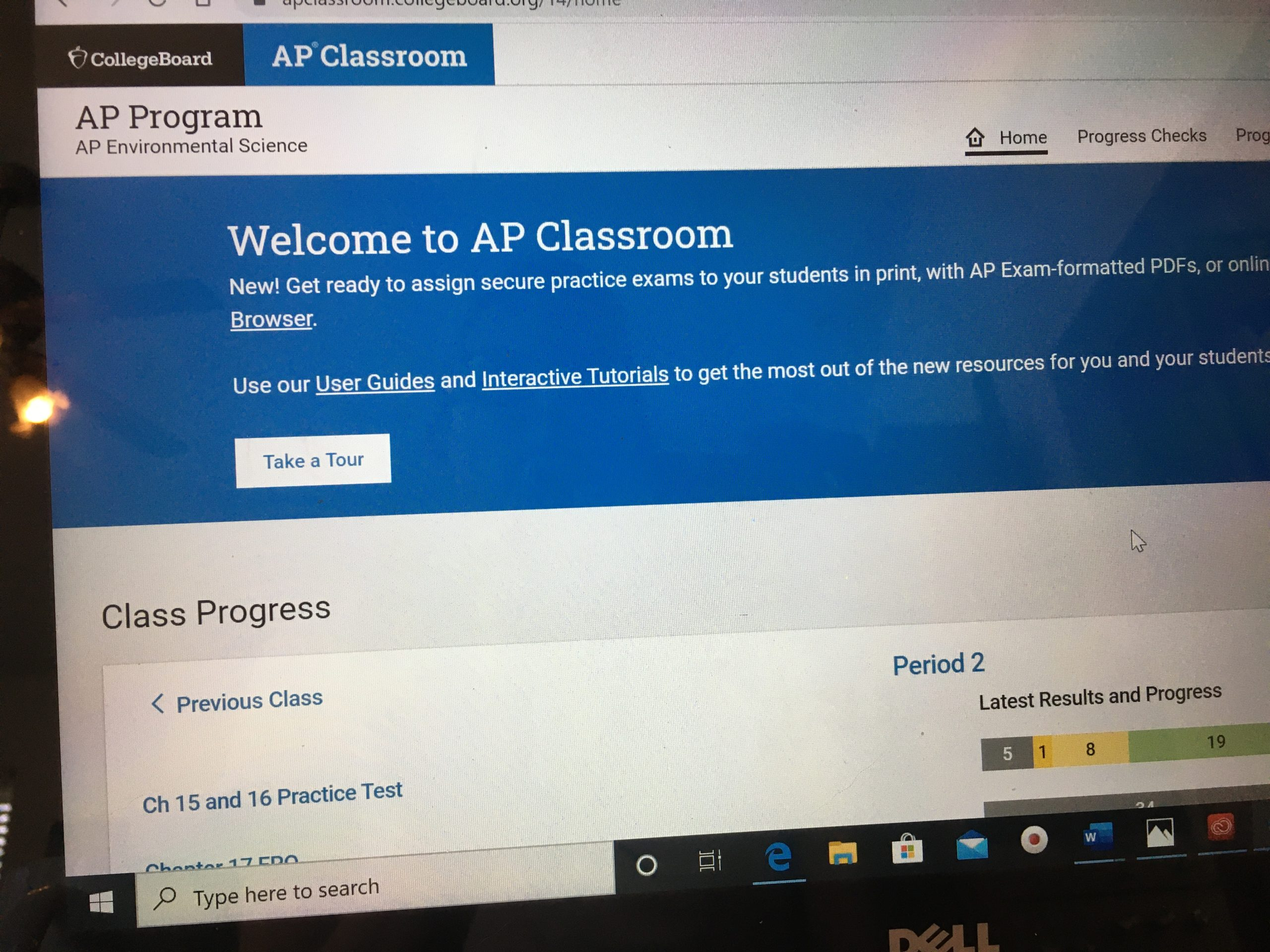
These are essential tools to know what exactly you will be tested on in the course. If you don’t know what kind of knowledge and skills they are expecting of you on exam day, you will be very confused. Your CEDs will lend you the generosity of telling you how you can answer the questions they list. In addition, the CollegeBoard website also offers test prep resources.
- Space out your practice.
Cramming is not an efficient way to study, and it will show on your scores if you do. Don’t just study for 8 hours the day right before the test; review the material over an elongated period of time.
- Practice active recall.
This is arguably the most important tip of the article. Many people think that simply a time commitment or passively listening/re-reading your notes will actually help you get a 4 or 5 – it won’t. You can’t just force your brain to learn something by subjecting it to the same information every week; you have to institute a task for it to learn through. These would be your practice exams, quizzes, and flashcards, which, according to scientific studies as cited by NHS.gov, are proven to significantly boost student test scores and overall performance. Obviously, re-reading content is necessary if you don’t know the content, but repeated “dull” exposure is worthless.
- Rest the day prior.
While potentially sounding worthless and performative, resting the day prior to the exam (+at least 8 hours of sleep) is, in fact, beneficial to your scores. If there was ever a day to stop wasting time on your phone, it would be this day. Your test will inevitably be extremely boring, no matter the subject, and it will not help you to have dopamine withdrawals and a temporarily lowered cognitive recall performance. This tip can also be extrapolated for you to eat a hearty breakfast the morning of the exam.
- Be prepared for the ordinances of Exam Day.
For when the exam day gets even closer, such as within a week, there are a few other things you should be aware of to not have a confusing and score-wrecking exam day, as outlined by Mr. Darling.
First, you should watch your emails from him (Mr. Darling), as he will alert you of the testing location you will be in to take all your exams. Second, as prefaced before your ACT tests, you will need to bring any adequate materials (such as a calculator), your school ID, a snack and water (for break time usage), a charged iPad, and a packed lunch if you are taking multiple exams in the same day (i.e. morning and afternoon tests). If you desire a keyboard, it will be provided to you by the proctor upon arrival at the testing location.
- Study for your hardest exams the most.
This is more of an informal tip, but it can most definitely make a difference in your studying, especially if you are a high-commitment student. Not all AP exams are of equal difficulty. For example, the AP Psychology exam will not even come close to matching any variant of the AP Physics exam. As such, if you are taking two or more APs, do not worry as much about studying for an AP exam with an incredibly easy set of material and skills compared to an exam that will comprehensively quiz you on advanced topics you had never even heard about. In the end, a 4 is a 4 and a 5 is a 5 on your score sheet, no matter what course.
Overall, these tips, along with any other tips you may know or hear about, can easily help you ace your upcoming AP exams in May. What’s important is that you stay focused, allocate your time wisely, and pay attention in your classes. From there, a 4 or a 5 is in arm’s-reach!
Good luck!